

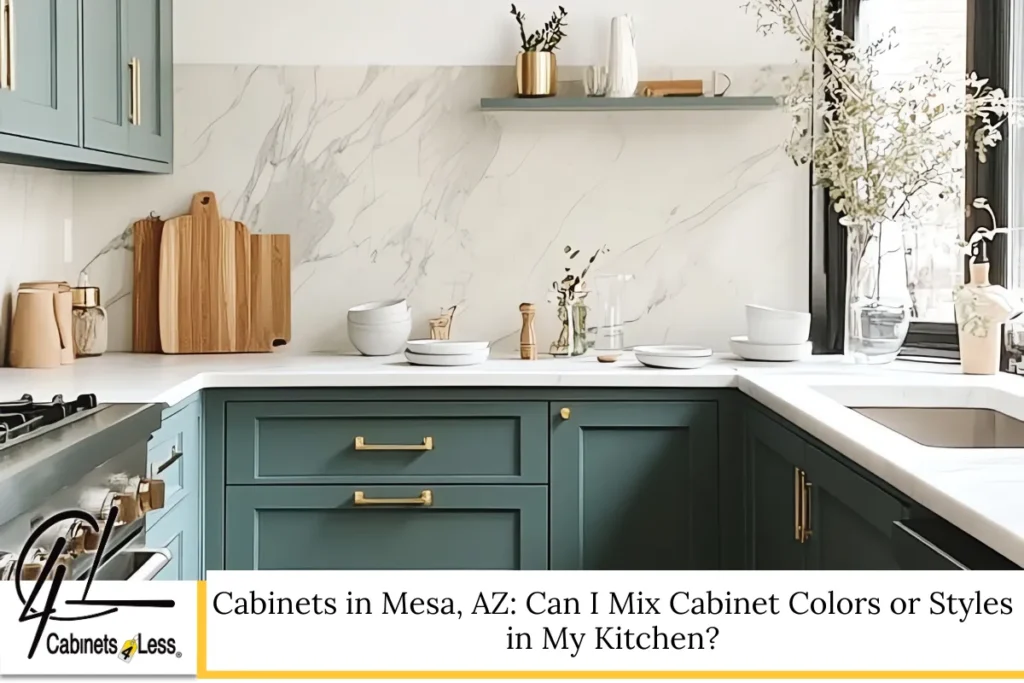
A Fresh Take on Kitchen Design Without Playing It Safe
Cabinets in Mesa, AZ are no longer limited to one color, one finish, or one design era—and that freedom is exciting, but it can also feel risky. Many homeowners worry that mixing cabinet colors or styles will look disorganized, lower resale value, or date the kitchen too quickly. That fear often leads to safe, all-white or single-tone cabinetry that lacks personality. The truth is, when done with intention, mixing cabinets can elevate your kitchen, improve function, and reflect how you actually live. The solution is understanding balance, proportion, and visual hierarchy so every cabinet choice feels connected. This guide breaks down how to mix colors and styles confidently, avoid common mistakes, and create a kitchen that feels cohesive, timeless, and distinctly yours.
Why Mixed Cabinet Kitchens Are Gaining Momentum
Kitchen design has shifted from showroom uniformity to personalized spaces that blend beauty with practicality. Homeowners want kitchens that feel layered rather than flat, and cabinetry plays the biggest role in achieving that depth.
Several factors are driving the popularity of mixed cabinetry:
- Open-concept floor plans that demand visual separation
- Larger kitchens that benefit from zoning and contrast
- A move away from “match everything” interiors
- Increased access to custom and semi-custom cabinet options
Designers now treat cabinets the way stylists treat wardrobes—coordinated, not identical. Mixing allows upper cabinets to feel lighter, lowers to ground the space, and islands to act as focal points. It also makes room for both modern efficiency and classic warmth within the same kitchen.
The Difference Between Mixing Colors and Mixing Styles
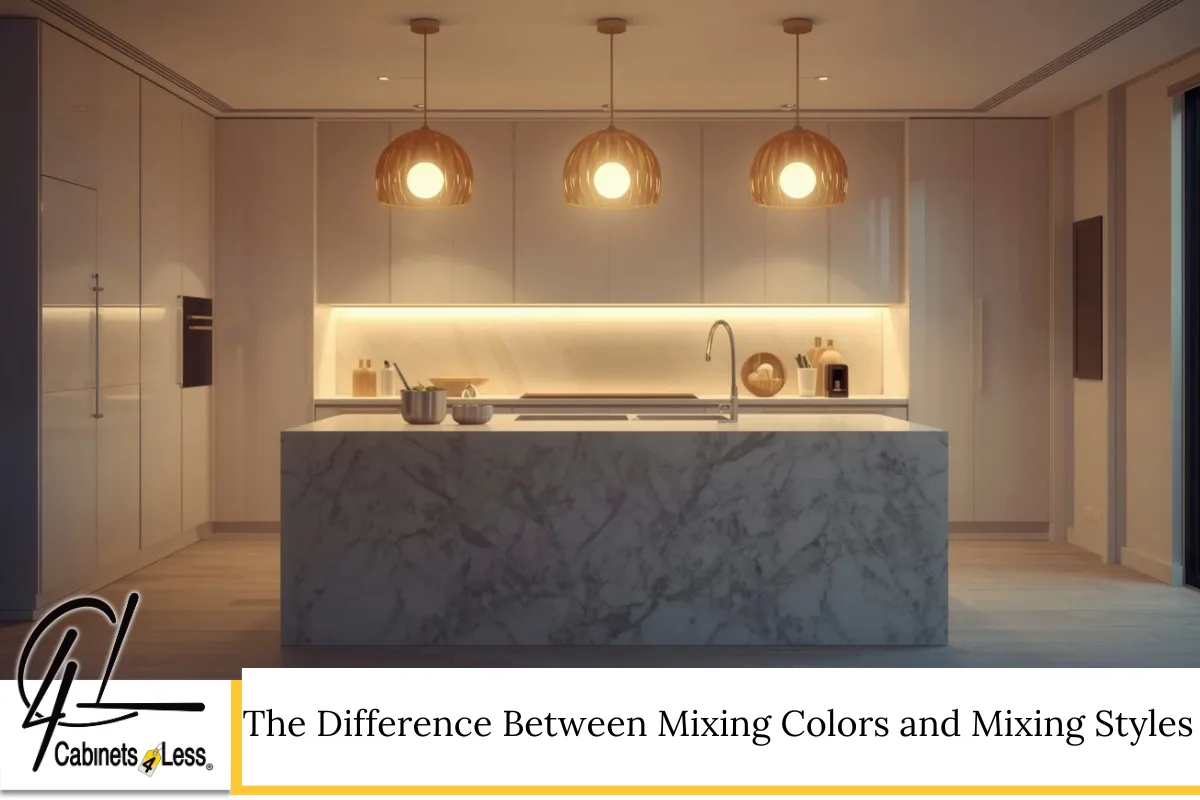
Before choosing combinations, it helps to understand that color and style are two different design levers. You can mix one without mixing the other—or combine both with care.
Mixing Cabinet Colors Only
This approach keeps door styles consistent while changing finishes or paint colors. It’s the most approachable option and works well for transitional kitchens.
Common examples include:
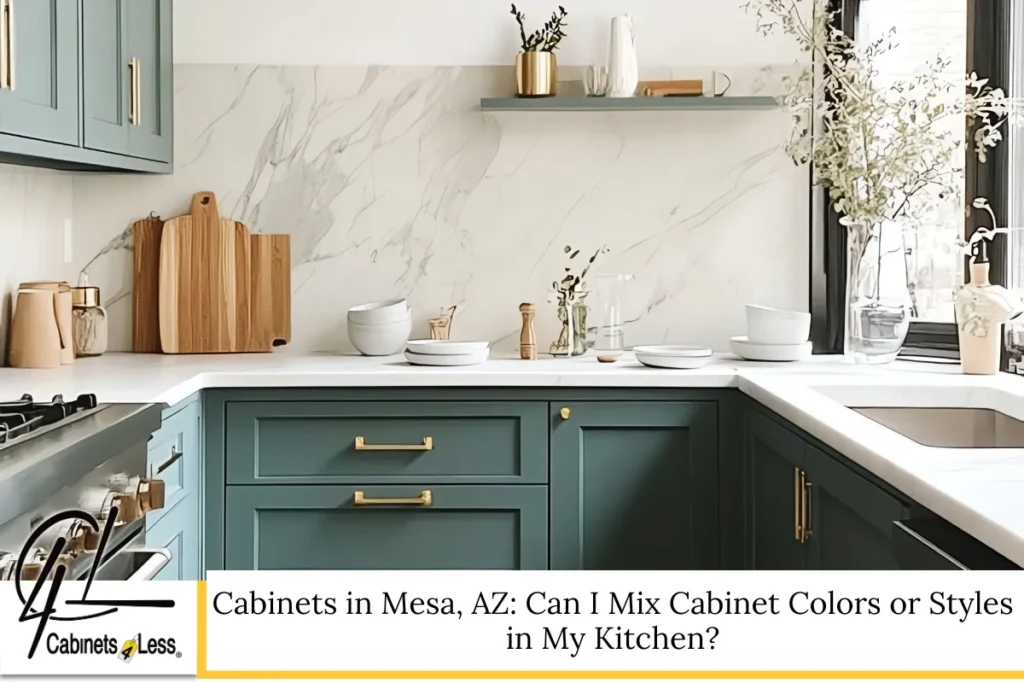
- White upper cabinets with darker lower cabinets
- A wood-tone island paired with painted perimeter cabinets
- Neutral cabinets accented with a bold island color
Because the cabinet construction stays the same, the kitchen feels cohesive even with contrast.
Mixing Cabinet Styles
This involves combining different door profiles or construction types—such as flat-panel cabinets with shaker cabinetry. It’s more complex but can be very effective in curated spaces.
To succeed, styles should share a common element:
- Similar wood species
- Matching hardware finishes
- Aligned proportions and spacing
Mixing styles is about contrast with intention, not randomness.
How Two-Tone Cabinets Change the Feel of a Kitchen
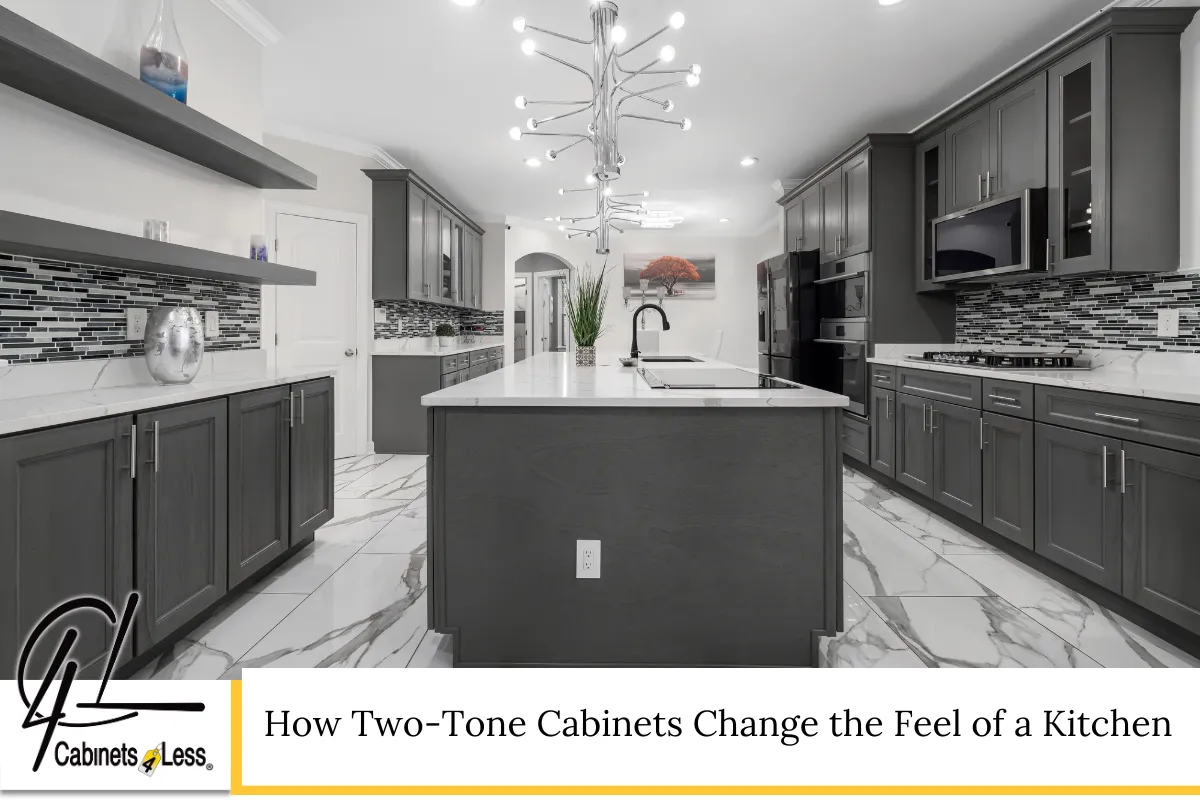
Two-tone kitchens are one of the most requested cabinetry layouts today, and for good reason. They help control scale, guide the eye, and prevent kitchens from feeling too heavy or sterile.
Visual Balance and Proportion
Dark cabinetry naturally draws attention. Using it on lower cabinets grounds the room, while lighter upper cabinets keep the space open and bright. This is especially helpful in kitchens with standard ceiling heights.
Functional Zoning
Different cabinet colors can define zones without walls:
- Cooking areas
- Prep spaces
- Storage walls
- Entertaining islands
This makes large kitchens easier to navigate and visually organized.
Long-Term Appeal
Two-tone designs tend to age better than trend-driven single colors. Neutral foundations with subtle contrast offer flexibility if you later update countertops or backsplashes.
Using Wood and Paint Together Without Clashing
One of the most effective ways to mix cabinets is pairing painted finishes with natural wood cabinetry. The key is choosing wood tones that complement rather than compete.
Choose the Right Wood Undertone
Wood cabinets can lean warm, cool, or neutral. Matching undertones with your paint color keeps the look intentional.
- Warm woods pair well with soft whites and greiges
- Cooler woods work with crisp whites or muted blues
- Neutral woods offer the most flexibility
Consistency in grain pattern also helps unify mixed cabinetry.
Limit Wood to Feature Areas
Wood cabinetry works best when it has a defined role:
- Kitchen islands
- Tall pantry cabinets
- Floating shelves or specialty storage
This keeps wood from overwhelming the design while still adding warmth and texture.
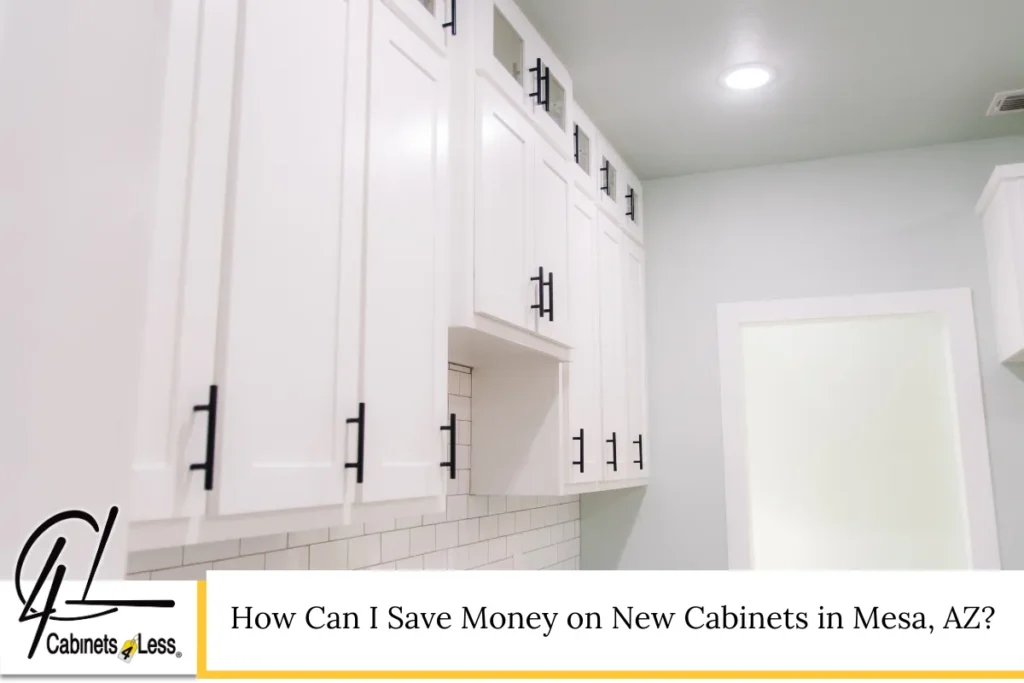
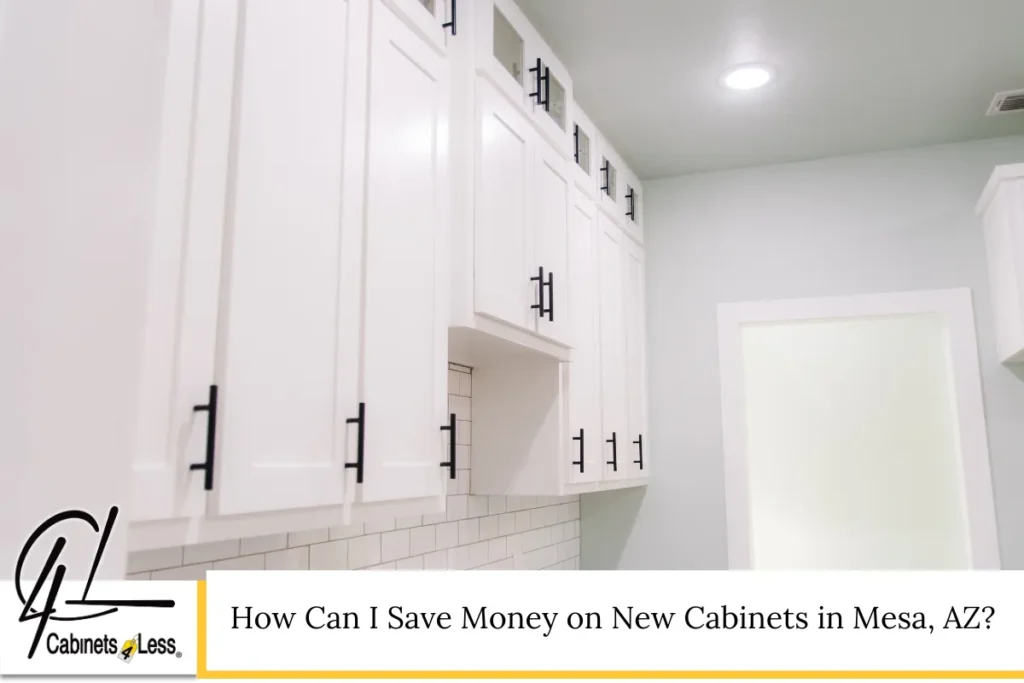
Read How Can I Save Money on New Cabinets in Mesa, AZ?
When Mixing Cabinet Styles Makes Sense
Blending cabinet styles can create a custom, collected look—but only when guided by structure.
Modern and Traditional in One Space
Pairing sleek slab cabinets with classic shaker doors works well in kitchens that bridge eras. For example, modern lower cabinets can support traditional uppers, creating a balanced contrast.
Open Shelving as a Buffer
Open shelving can act as a visual transition between cabinet styles, preventing abrupt shifts. It also adds breathing room and display space.
Keep Hardware Consistent
Using the same pulls or knobs across all cabinets ties different styles together visually. Hardware acts like punctuation—it signals unity even when sentences differ.
Color Combinations That Consistently Work Well
While trends change, some color pairings have proven staying power in kitchen cabinetry.
Popular combinations include:
- White and navy
- Soft gray and natural oak
- Cream and charcoal
- Sage green and warm wood
- Black islands with neutral perimeter cabinets
Paint quality and finish matter as much as color choice. Durable cabinet finishes from brands like Sherwin-Williams or Benjamin Moore offer better color depth and longevity for kitchen use.
The Role of Countertops and Backsplashes in Mixed Cabinet Kitchens
Cabinets never exist in isolation. Countertops and backsplashes act as visual bridges that can make or break mixed designs.
Countertops as the Unifier
A consistent countertop material across all cabinet sections helps unify different colors or styles. Neutral stone, quartz, or solid surfaces work especially well.
Backsplashes That Soften Transitions
A continuous backsplash prevents visual fragmentation. Subtle patterns and classic materials keep the focus on cabinetry rather than competing with it.
Avoid Over-Layering
If cabinets are already mixed, keep countertops and backsplashes restrained. Too many competing elements can make the kitchen feel busy.
Common Mistakes to Avoid When Mixing Cabinets
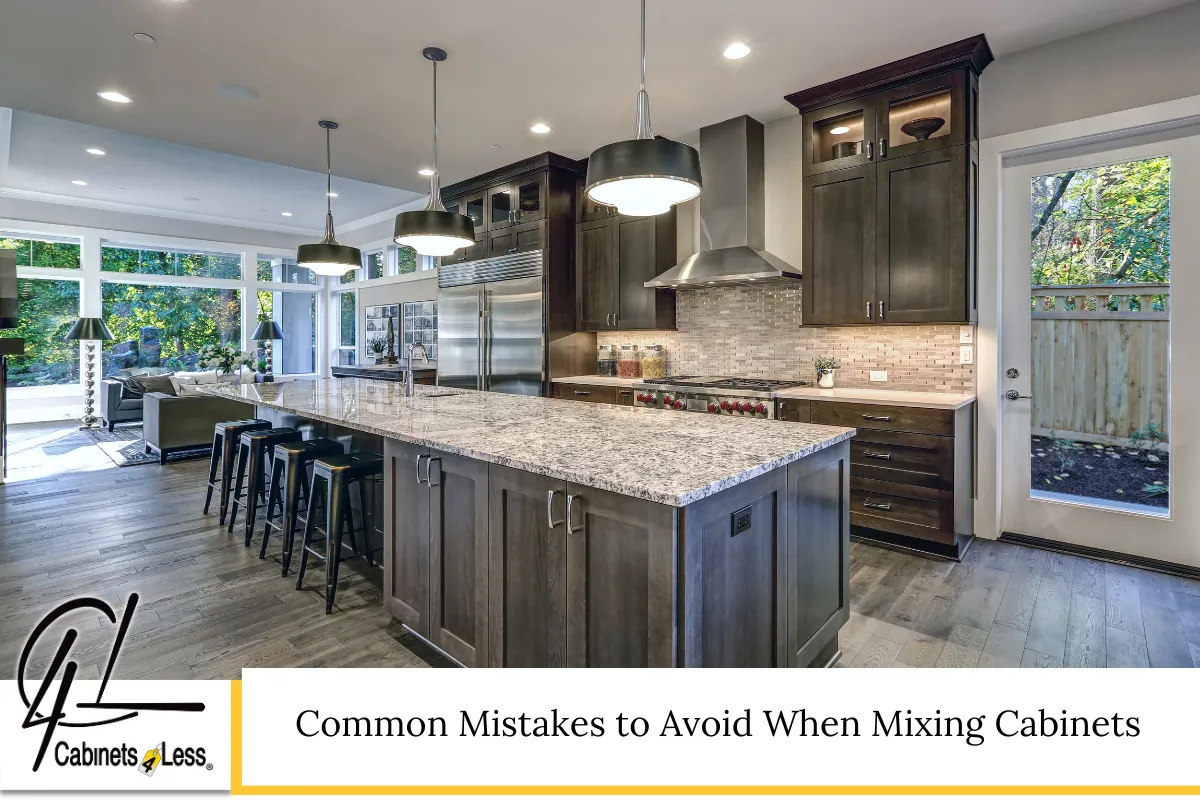
Even great ideas can fail without planning. Avoid these frequent pitfalls:
- Using too many cabinet colors
- Mixing styles without a shared design language
- Ignoring lighting effects on cabinet finishes
- Choosing trendy colors without considering longevity
- Forgetting how adjacent rooms influence the kitchen
A good rule of thumb: if you’re unsure, simplify. Strong kitchens usually rely on one statement, not many.
How Lighting Changes the Way Cabinet Colors Look
Lighting dramatically affects how cabinetry reads in real life. Natural and artificial light can shift tones, deepen shadows, and alter contrast.
- North-facing kitchens benefit from warmer cabinet tones
- South-facing kitchens can handle cooler colors
- Under-cabinet lighting helps define mixed finishes
Always test cabinet samples in your actual kitchen lighting before committing.
Is Mixing Cabinets a Good Choice for Resale?
When done thoughtfully, mixed cabinetry can increase buyer appeal. Kitchens that feel custom and well-planned often stand out in the market.
Resale-friendly mixed designs share these traits:
- Neutral base colors
- Limited palette
- High-quality cabinet construction
- Timeless door styles
Overly bold or experimental combinations may narrow appeal, but balanced designs typically enhance perceived value.
How Custom Cabinetry Makes Mixing Easier
Custom and semi-custom cabinetry allows precise control over finishes, dimensions, and layouts. This flexibility makes it easier to mix styles without visual conflict.
Custom cabinets offer:
- Consistent construction across styles
- Coordinated finishes and stains
- Better alignment and proportions
Even ready-to-assemble systems from brands like IKEA now offer modular options that support mixed looks when planned carefully.
Making Confident Decisions Without Regret
The best mixed kitchens are designed with intention, not impulse. Before finalizing your cabinetry plan, consider how you use your kitchen daily, not just how it photographs.
Ask yourself:
- Which areas should feel lighter or heavier?
- Where do I want visual focus?
- How long do I plan to stay in this home?
Answering these questions leads to cabinet choices that feel right long after installation.
Cabinets in Mesa, AZ – C4L Cabinetry
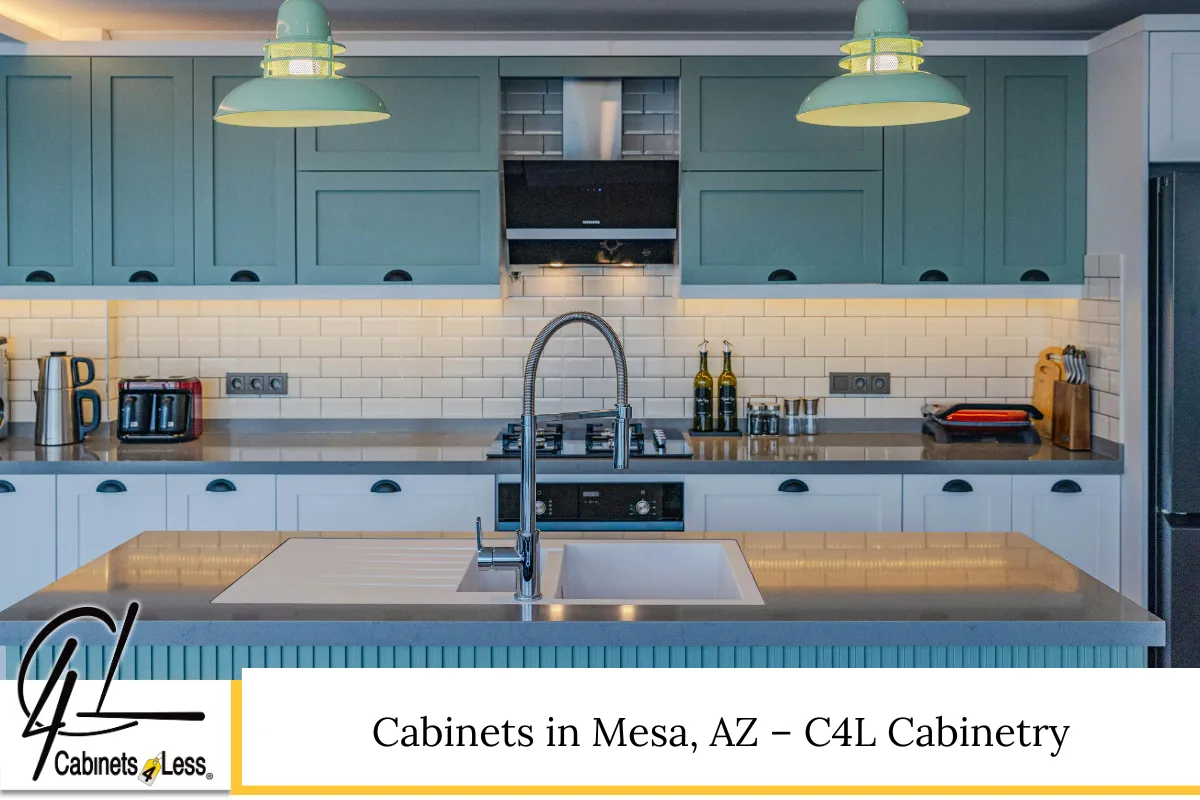
Choosing the right cabinets can completely transform how your kitchen looks and functions, and C4L Cabinetry helps homeowners in Mesa, Arizona do it with confidence. Whether you’re exploring two-tone cabinets, blending modern and classic cabinetry, or planning a full kitchen upgrade, our team focuses on smart design, durable materials, and clean installation. Every cabinet solution is tailored to your space, lifestyle, and long-term goals. If you’re ready to explore custom or semi-custom cabinets that balance beauty and practicality, speak with professionals who understand local homes and design trends. Call (480) 844-3901, visit our Mesa showroom, or fill out the contact form to start planning cabinets that truly fit your kitchen.
Frequently Asked Questions
Can mixed cabinet kitchens work in small spaces?
Yes, mixed cabinetry can work well in smaller kitchens when contrast is used strategically. Light upper cabinets paired with slightly darker lowers help keep the room open while adding depth. The key is limiting the palette to two finishes and maintaining consistent cabinet proportions. Overuse of bold colors or complex styles in small kitchens can feel crowded, but thoughtful contrast often makes compact spaces feel more intentional and designed rather than cramped.
How do I choose hardware for mixed cabinets?
Hardware should unify the design rather than draw attention to differences. Choose one finish and style of pull or knob for all cabinets, even if colors or door styles vary. Simple hardware designs tend to work best because they don’t compete visually. Consistent placement and sizing across cabinets also help maintain cohesion and make the kitchen feel professionally planned.
Should appliances match one cabinet color?
Appliances don’t need to match cabinet colors directly, but they should complement the overall palette. Stainless steel remains a safe, versatile choice for mixed cabinetry kitchens. Panel-ready appliances are another option, especially when you want cabinets to take visual priority. The goal is balance—appliances should support the design, not interrupt it.
How many cabinet colors are too many?
For most kitchens, two cabinet colors are ideal. In larger or custom spaces, a third finish—such as a wood island—can work if used sparingly. More than three finishes usually creates visual noise and reduces cohesion. Restraint is what keeps mixed cabinetry timeless rather than trendy.
Can I mix cabinet colors now and change later?
Yes, especially if your cabinets are well-built. Painted cabinetry can be refinished or repainted down the line, allowing you to refresh one section without replacing everything. Choosing durable cabinet materials and classic door styles gives you flexibility to adapt colors as trends and personal tastes change over time.
Disclaimer: This article is intended for general informational purposes only. Design choices, materials, and results may vary based on individual spaces, lighting conditions, and construction factors. Consult a cabinetry professional for personalized recommendations.
Read What is the Difference Between Painted and Stained Cabinet Doors in Mesa, AZ?